

Wireframes serve as a blueprint for the application’s structure. They take the initial idea to the next level, providing a clear visual representation. This stage helps define the app’s layout, ensuring an intuitive flow from one screen to another.
The development stage involves coding and programming, focusing on backend integration, data synchronization, and server-side logic. This phase is carried out through collaborative efforts, enabling efficient processes and continuous improvement.
Once the application meets quality standards, it’s launched across various app stores. Our team also implements targeted marketing strategies to boost the app’s visibility. Post-launch, we provide regular updates, bug fixes, and enhancements to maintain optimal performance.

The choice of mobile app type that an organization makes significantly influences various factors, including the tools, platforms, frameworks, and programming languages available to their development teams.
This decision also affects the app’s distribution, the number of codebases that need to be maintained, the range of devices it will support, and even its overall functionality.
When determining the type of mobile app to develop, it’s crucial to consider your target audience and their specific needs. For instance, if your users predominantly utilize a particular device or operating system, opting for a native app may be the most effective choice.
App Development Insights: Finding Your Perfect Fit is all about guiding businesses and individuals through the process of selecting the right approach to mobile app development.
Whether you’re building for iOS, Android, or a cross-platform solution, understanding your specific needs and goals is key to creating an app that aligns with your vision.
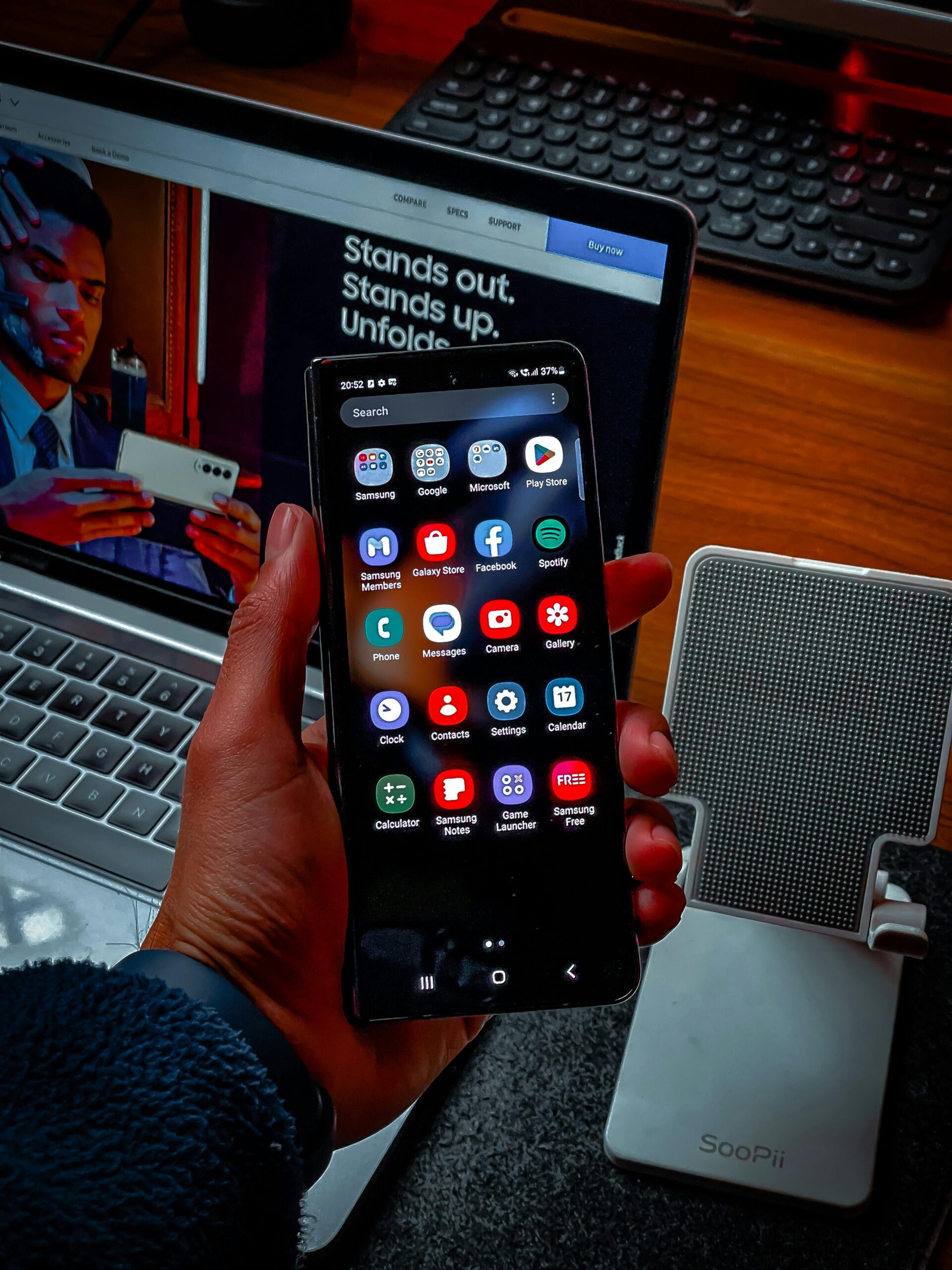
Mobile application development can be understood in two distinct ways. It may refer broadly to all the processes involved in creating and launching a mobile app, or it can specifically denote the coding and deployment phases of that app.
This article aims to explore both interpretations, with a particular emphasis on clarifying mobile app development for individuals who are involved in decision-making or responsible for the software’s construction.
To effectively define mobile application development, we should first consider what “mobile” entails. In this context, “mobile” refers to a variety of portable electronic devices, including smartphones, tablets, laptops, smartwatches, e-readers, and handheld gaming consoles.
Understanding these devices is essential as we delve into the intricacies of mobile app development.
Mobile application development can be viewed from two distinct perspectives. On a broad level, it encompasses the entire process involved in designing, creating, and launching a mobile app.
It provides a detailed overview to ensure that all stakeholders—whether they’re overseeing the project or involved in hands-on development—have a comprehensive understanding of mobile app creation.